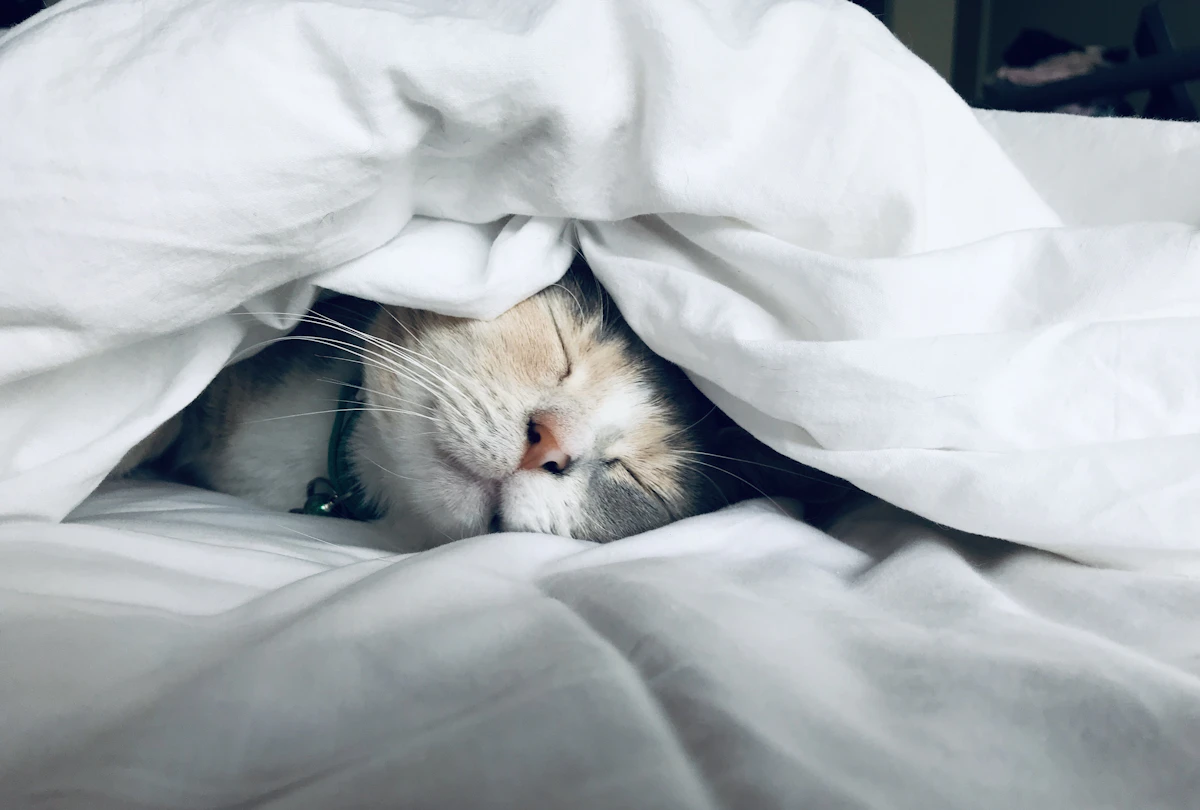
We live in a culture that celebrates sleep deprivation as a badge of productivity. "I'll sleep when I'm dead," people joke — not realising how literally true that might be. Adults who sleep fewer than 6 hours per night consistently have higher rates of obesity, type 2 diabetes, cardiovascular disease, depression, and all-cause mortality. Sleep is not a luxury; it is a biological necessity as fundamental as food and water.
What Happens When You Sleep
Sleep is not passive rest — it is a period of intense biological activity. During slow-wave (deep) sleep, your brain flushes out metabolic waste products (including beta-amyloid, linked to Alzheimer's disease) through the glymphatic system. Growth hormone is released to repair tissues. Memory consolidation occurs — information moves from short-term to long-term storage. During REM sleep, emotional processing and creativity flourish. Shortcut any of these stages and you pay a biological price.
How Much Sleep Do You Actually Need?
| Age Group | Recommended Sleep |
|---|---|
| Adults (18–64) | 7–9 hours |
| Older adults (65+) | 7–8 hours |
| Teenagers (14–17) | 8–10 hours |
| School-age children (6–13) | 9–11 hours |
The 10 Rules of Sleep Hygiene
1. Keep a Consistent Schedule
Go to bed and wake up at the same time every day — including weekends. This anchors your circadian rhythm, making it easier to fall asleep and wake feeling refreshed. Varying by more than an hour on weekends causes "social jet lag" that disrupts weekday sleep.
2. Design a Dark, Cool Bedroom
Your core body temperature must drop by about 1°C to initiate sleep. Keep your bedroom at 18–22°C. Use blackout curtains or a sleep mask — even small amounts of light suppress melatonin. Remove or cover any LED lights from electronics.
3. Limit Screens Before Bed
Blue light from phones, tablets, and laptops suppresses melatonin production by up to 50%. Stop screen use at least 1 hour before bed. If that's not possible, use night mode and blue-light-blocking glasses.
4. Avoid Caffeine After 2 PM
Caffeine has a half-life of 5–7 hours. Your afternoon chai at 3 PM still has half its caffeine in your bloodstream at 8 PM. Coffee, tea, cola, energy drinks, and even some headache tablets contain caffeine.
5. Create a Wind-Down Routine
Your brain needs a transition signal from "day" to "sleep." Spend the last 30–60 minutes doing something calming: light reading, a warm shower or bath (the subsequent body cooling mimics the sleep-onset temperature drop), gentle stretching, or listening to calm music.
6. Reserve the Bed for Sleep and Intimacy Only
Working, watching TV, or scrolling in bed trains your brain to associate the bed with wakefulness. This breaks the psychological association between bed and sleepiness.
7. Get Bright Light Exposure in the Morning
Natural morning light (ideally within 30 minutes of waking) synchronises your circadian clock and leads to an earlier, more reliable sleep onset 14–16 hours later. Even on cloudy days, outdoor light is 10–100x brighter than indoor lighting.
8. Exercise — But Not Too Late
Regular exercise improves sleep quality significantly. However, intense exercise within 2–3 hours of bedtime can be stimulating for some people — timing matters.
9. Manage Worry Time
Anxious thoughts are the most common cause of lying awake. Try "worry journalling" — write down everything on your mind and a brief action step for each, then close the notebook. This signals to your brain that concerns have been noted and can be addressed tomorrow.
10. Avoid Alcohol as a Sleep Aid
Alcohol may help you fall asleep faster but dramatically reduces sleep quality — suppressing REM sleep and causing more fragmented, non-restorative rest in the second half of the night. You wake up feeling unrefreshed even after 8 hours.
When to See a Doctor
If you have tried these strategies consistently for 4–6 weeks without improvement, see your doctor. Conditions like sleep apnoea (which affects millions of undiagnosed Indians), restless legs syndrome, and clinical insomnia are highly treatable with professional intervention. Cognitive Behavioural Therapy for Insomnia (CBT-I) is more effective than sleep medication in the long term and has no side effects.