With a new diet trend emerging every few months — keto, intermittent fasting, plant-based, Ayurvedic — it's easy to feel paralysed by conflicting advice. The truth? The research overwhelmingly points to a few simple, consistent principles rather than any one magical eating plan.
The Foundation: Real Food, Mostly Plants
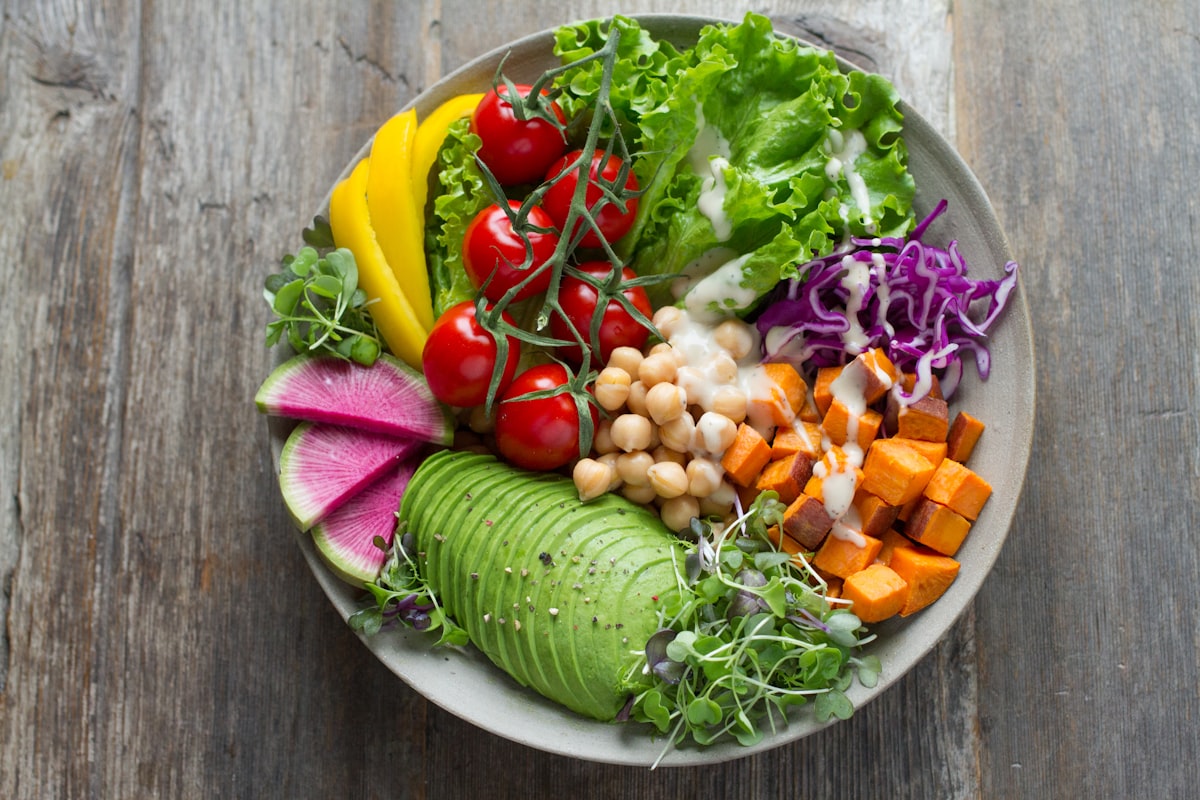
Regardless of which diet pattern you follow, the healthiest populations in the world eat predominantly whole, minimally processed foods. This means vegetables, fruits, legumes (dal, rajma, chana), whole grains (brown rice, whole wheat, millets), nuts, seeds, and moderate amounts of dairy or lean protein.
Build a Balanced Plate
A simple framework for every meal:
- ½ plate: Non-starchy vegetables (sabzi, salad, cooked greens)
- ¼ plate: Whole grains or starchy carbs (roti, brown rice, oats, sweet potato)
- ¼ plate: Protein (dal, paneer, eggs, fish, chicken, tofu)
- Small amount: Healthy fat (ghee, olive oil, nuts, seeds)
The Foods to Eat More Of
Vegetables & Fruits
Aim for at least 5 servings per day — more is better. Variety matters: different colours provide different phytonutrients. Seasonal and local produce is both more nutritious and more affordable.
Legumes
Dal, rajma, chana, moong — these are nutritional powerhouses. High in protein, fibre, iron, and B-vitamins, they stabilise blood sugar, feed beneficial gut bacteria, and are astonishingly cheap. Aim for at least one serving every day.
Healthy Fats
Ghee in moderation, cold-pressed oils (mustard, sesame, coconut, olive), nuts, and avocado provide essential fatty acids and fat-soluble vitamins. Do not fear fat — fear processed fat (vanaspati, partially hydrogenated oils in packaged snacks).
The Foods to Limit
- Added sugar: Sugar-sweetened beverages (chai with excess sugar, cold drinks, packaged juices) are the single most harmful dietary item in the modern Indian diet.
- Refined grains: Maida (white flour), white rice in large portions, and ultra-processed breads spike blood sugar rapidly.
- Ultra-processed foods: Biscuits, namkeen, instant noodles, and packaged snacks are engineered to be over-consumed. If you can't pronounce most ingredients, put it back.
- Excess salt: Most Indians consume 8–10g of salt per day — twice the recommended 5g. High salt intake directly raises blood pressure.
Practical Tips That Actually Stick
- Cook at home more — restaurant and takeaway food contains 2–3x more calories, salt, and unhealthy fats than home-cooked meals.
- Don't skip breakfast — a protein-rich breakfast (eggs, dal, curd, peanut butter on whole wheat) reduces hunger and poor snack choices throughout the day.
- Eat slowly — it takes 20 minutes for satiety hormones to signal fullness to your brain. Slow eaters naturally consume fewer calories.
- Hydrate first — often thirst is mistaken for hunger. Drink a glass of water before every meal.
- Plan ahead — keep healthy snacks (fruits, nuts, roasted chana) visible and easy to reach. Keep junk food out of the house.
A Word on Supplements
Most people who eat a reasonably varied diet do not need supplements. Exceptions: Vitamin D (deficiency is near-universal in urban Indians who spend little time outdoors), Vitamin B12 (for strict vegetarians/vegans), and iron (particularly in women with heavy periods). Always test before supplementing, and use supplements to fill gaps — not replace real food.